

Staging To Sell
Staging To Sell: A Seller's Guide to Maximizing Property Appeal
When it comes to selling a home, first impressions matter. In a competitive real estate market, where buyers have countless options at their fingertips, it is crucial for sellers to make their property stand out. This is where the concept of staging comes into play. Staging a home involves preparing and presenting it in a way that will attract potential buyers and highlight its full potential. In this blog post, we will explore the importance of staging and provide useful tips for sellers looking to make the most of their property.
Why Stage?
Staging is the art of creating an environment that appeals to a wide range of buyers. It allows potential buyers to envision themselves living in the space and helps them connect emotionally with the property. When done right, staging can significantly increase the perceived value of a home and lead to a faster sale at a higher price.
One of the main advantages of staging is that it helps highlight a property's best features while downplaying any flaws. A well-staged home creates an inviting atmosphere and leaves a lasting impression on potential buyers. It allows them to see the full potential of the space, making it easier for them to imagine their own belongings in the home.
Tips for Effective Staging
1. Declutter and Depersonalize: Before staging, it is essential to declutter the space and remove any personal items such as family photos or excessive decorations. Potential buyers need to be able to picture themselves in the home, so keeping it neutral and clutter-free is key.
2. Deep Clean: A clean home is a welcoming home. Make sure to thoroughly clean every nook and cranny, paying attention to details such as carpets, windows, and countertops. Consider hiring professional cleaners if necessary.
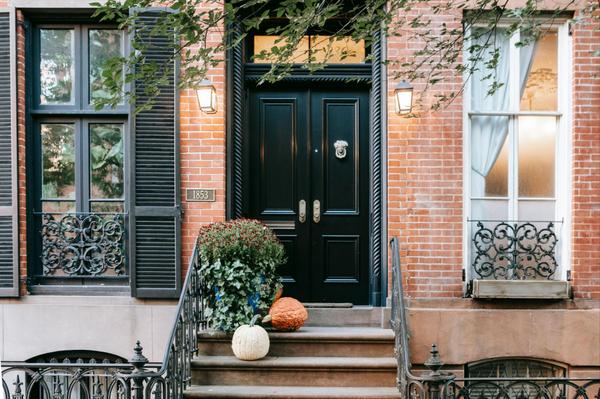
3. Maximize Curb Appeal: The exterior of a home is the first thing potential buyers see, so it is crucial to create a positive first impression. Enhance the curb appeal by mowing the lawn, trimming bushes, and adding some fresh flowers or potted plants to the front porch.
4. Neutralize Colors: While bright and bold colors may appeal to some, it is best to stick to neutral tones when staging a home. Neutral colors create a sense of calm and allow potential buyers to envision their own belongings in the space.
5. Rearrange Furniture: Arrange furniture in a way that maximizes the flow and functionality of each room. Consider the focal points of the space and position furniture accordingly. Additionally, ensure that furniture is appropriately scaled to the room to create a sense of balance.
6. Let in Natural Light: Natural light can make any space feel more inviting and spacious. Open curtains and blinds to let in as much natural light as possible. If the property lacks natural light, strategically place mirrors to reflect light and create the illusion of a brighter space.
7. Stage Key Rooms: Focus on staging key rooms such as the living room, kitchen, and master bedroom. These are the areas that potential buyers typically prioritize and spend the most time in. Make sure these spaces are clean, well-decorated, and showcase their full potential.
8. Bring in Accessories: Adding accessories such as throw pillows, artwork, and plants can enhance the overall aesthetic of the home. However, be mindful not to overdo it – less is often more when it comes to staging.
In conclusion, staging a home is a powerful tool that can significantly impact the selling process. By creating an inviting and appealing environment, sellers can attract more potential buyers and potentially sell their property at a higher price. Follow the tips mentioned above to successfully stage your home and make it stand out in a competitive real estate market. Remember, staging is an investment that can yield substantial returns when done correctly.
Categories
Recent Posts










johnherkenrath@epiquerealty.com
3435 E Thousand Oaks Blvd #6354, Westlake Village CA 91359